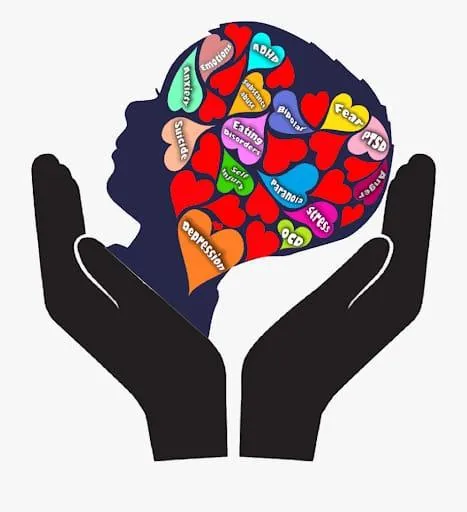
Mental Health in Children
Mental Health in Children: Understanding and Supporting Emotional Well-Being Introduction
Mental health in children is just as important as physical health. In recent years, we’ve seen a growing awareness of how emotional and psychological well-being affects children's development. Whether it’s coping with stress, building resilience, or managing complex emotions, children need support as they navigate their mental health journey.
In this blog, we’ll explore the common mental health challenges children face, how to recognize the signs of mental health issues, and what parents, guardians, and educators can do to foster a positive mental health environment.
What is Child Mental Health?
Importance of Mental Health in Early Development
Mental health refers to how we think, feel, and behave, and for children, it's crucial for their growth and development. A child's mental health affects how they:
Cope with challenges: Learning to handle stress, fear, and disappointment.
Form relationships: Building meaningful connections with family, friends, and teachers.
Succeed in school and life: Mental well-being impacts attention, behavior, and learning.

Common Mental Health Issues in Children
Children can experience a variety of mental health issues, just like adults. Some of the most common mental health problems in children include:
Anxiety Disorders: Excessive worrying, fear, or nervousness that interferes with daily activities.
Depression: Persistent sadness, hopelessness, or loss of interest in activities they once enjoyed.
Attention-Deficit/Hyperactivity Disorder (ADHD): Difficulty focusing, impulsiveness, and hyperactivity.
Behavioral Disorders: Conditions like Oppositional Defiant Disorder (ODD) and Conduct Disorder (CD) lead to defiance, anger, and sometimes violence.
Autism Spectrum Disorder (ASD): A developmental disorder affecting communication and behavior, often diagnosed in early childhood.
Recognizing the signs early on is key to providing the right support and care for your child.
Signs of Mental Health Problems in Children Physical, Emotional, and Behavioral Indicators
Children may not always be able to express what they’re feeling, making it essential to recognize the
signs of mental health issues. Some common indicators include:
· Changes in behavior: Sudden mood swings, irritability, or withdrawal from family and friends.
· Difficulty in school: Trouble concentrating, declining grades, or behavioral problems.
· Physical symptoms: Frequent headaches, stomachaches, or fatigue without a medical cause.
· Excessive worry or fear: Constant anxiety about school, family, or other activities.
· Changes in sleep or eating habits: Insomnia, nightmares, or loss of appetite.
· Self-harm: Engaging in risky behaviors, such as cutting or other forms of self-injury.
If your child shows any of these signs over a prolonged period, it's essential to seek professional advice.

How to Support Your Child’s Mental Health
1.Open Communication and Emotional Support
As a parent or caregiver, your support plays a pivotal role in shaping your child’s mental health. Here are ways you can help:
2. Create a Safe Space for Conversations: Encourage your child to share their feelings without fear of judgment or punishment. Ask open-ended questions to better understand their emotions.
3. Teach Emotional Regulation: Help your child recognize and manage their feelings, whether it’s frustration, sadness, or anger. Breathing exercises and mindfulness techniques can be helpful.
4. Be Present: Spend quality time together to build a strong, trusting relationship. Your presence helps them feel valued and supported.
5.Promoting a Healthy Lifestyle :
A healthy body contributes to a healthy mind. Encourage habits such as:
Regular Exercise: Physical activity is a natural stress reliever and can improve mood.
Healthy Eating: A balanced diet with plenty of fruits, vegetables, and whole grains supports both physical and mental health.
Adequate Sleep: Ensure your child gets enough sleep each night, as lack of sleep can worsen emotional and behavioral issues.
6. Limit Screen Time
With the rise of social media and online gaming, excessive screen time can negatively impact a child's mental health. Encourage screen-free activities that engage their creativity and provide opportunities for relaxation, such as drawing, reading, or outdoor play.
7. Seek Professional Help When Needed
If you’re concerned about your child’s mental health, don’t hesitate to seek help from a therapist or counselor. Early intervention is key in addressing mental health challenges. Professionals can provide tailored strategies and coping mechanisms to help your child thrive emotionally and mentally.
The Role of Schools in Promoting Child Mental Health
Schools play a significant role in supporting children's mental health. By creating a positive, inclusive environment, educators can:
· Recognize early signs: Teachers who are trained in mental health awareness can spot early signs of distress and take appropriate action.
· Provide emotional support: Having a school counselor or psychologist available allows children to seek help in a comfortable, familiar setting.
· Foster a supportive community: Promoting kindness, respect, and anti-bullying policies helps create a safe space for children to learn and grow.
Conclusion
Mental health in children is a vital aspect of their overall well-being and development. By recognizing the signs of mental health issues early, maintaining open communication, and fostering a supportive environment, parents and caregivers can help children manage their emotions and develop resilience.
Professional intervention, when necessary, is critical to ensuring your child grows up emotionally healthy and equipped to face life's challenges.
If you’re concerned about your child’s mental health, seek professional guidance. A happy, healthy
childhood is the foundation for a successful and fulfilling life.

